
WHAT IS THE JAMES WEBB TELESCOPE?
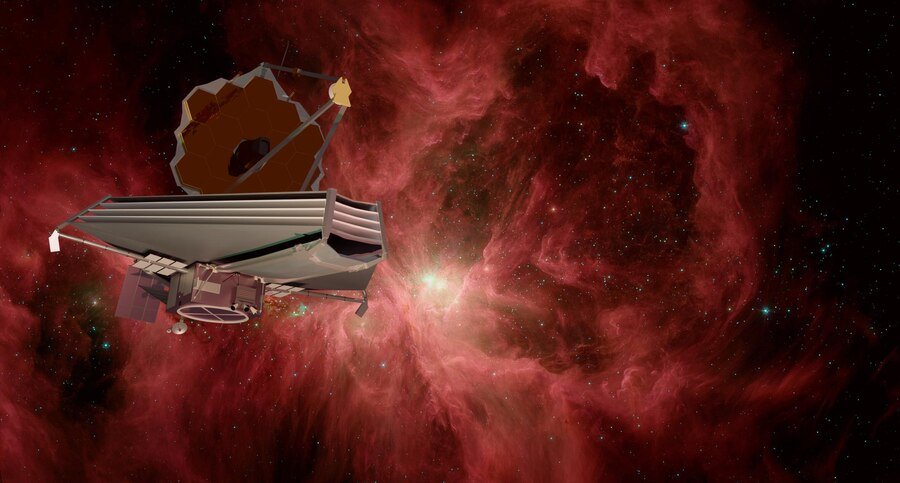
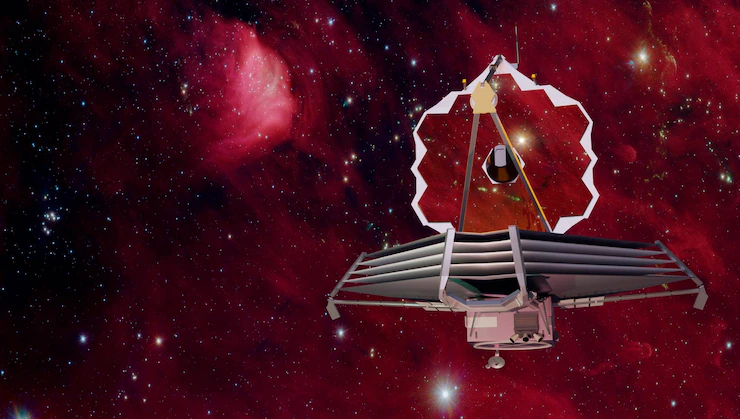
You might have heard of the James Webb telescope finding something in the universe. It is a space telescope used majorly to conduct astronomy. It is also the largest optical telescope in space. The James Webb telescope has a better infrared resolution and sensitivity than the Hubble Space Telescope, which allows it to easily view objects too early, too distant, or too faint for The Hubble Space Telescope.
HOW DOES IT WORK?
You might think that the James Webb Space Telescope (JWST for short) orbits the Earth. But, The James Webb Space telescope doesn’t orbit the Earth, rather it is present at the Lagrange point. The Lagrange point is a point where the gravitational pulls of the Earth and Sun equalize each other, so there remains no need of moving since no celestial body will be pulling it towards itself since the net gravity acting on it equals 0.
WHAT ALL DOES IT HAVE?
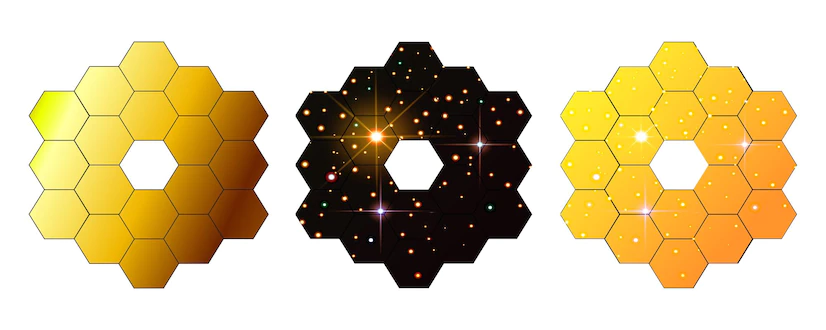
The James Webb Telescope has the following as it’s main parts :-
- OTE- OTE stands for Optical Telescope Element. It may be referred to as the “Eye” of the observatory. It gathers the light incoming from space and provides it to the ISIM for collecting the data and analyzing it.
- ISIM- ISIM stands for Integrated Science Instrument Module. This contains what is known as Webb’s cameras and instruments. It can be referred to as the “Brain” of the observatory. It combines all of the 4 major instruments and others to get work done.
- Sunshield- You can call this the “Skin” of the observatory. It protects the OTE And ISIM from damage and provides them with the required temperature needed by them to work properly. It is always facing the sun. The OTE and ISIM require low temperatures such that of 50 K to work, and by facing the Sun, they cannot work since they won’t get the temperature needed. The Sunshield protects them and provides them with adequate temperature, just like your skin protects the underlying organs of your body from the external environment.
- Spacecraft Bus- You can call this the “Skeletal system” of the observatory. It carries out the support functions of the observatory, just like the skeletal system of our body provides support. It also contains the six major subsystems required to make the James Webb Telescope work.
HOW HAS THE JAMES WEBB TELESCOPE REVOLUTIONIZED ASTRONOMY?

- THE FINDING OF THE OLDEST GALAXY IN THE UNIVERSE
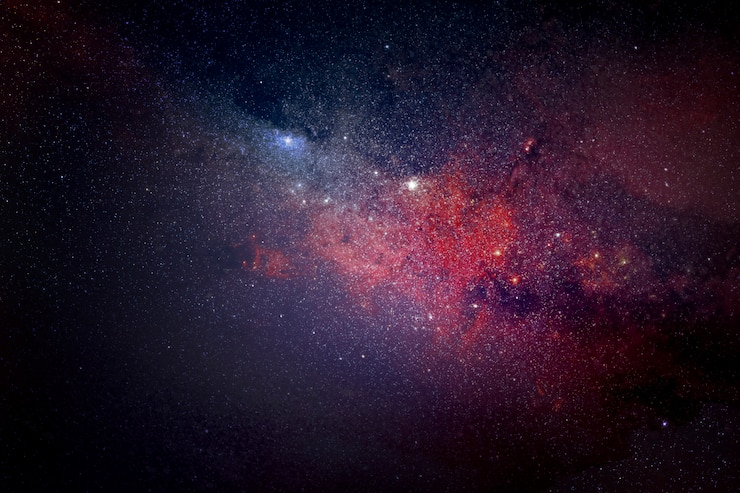
The GNz11 galaxy was found by the James Webb Telescope. It is the oldest galaxy discovered till date. Based on calculations, it was observed that the GNz11 galaxy came to existence in the first 100 million years after the Big Bang, which is pretty old! The galaxy is 1/25th the size of our Milky Way, and has 1% of the mass.
The age of a galaxy is measured by what is known as a red shift. As the universe expands, the wavelength of the light is stretched into a red spectrum. The redder the image obtained is, the older the galaxy is.
2. THE EMOTIONAL MOMENT OF THE DEATH OF A STAR
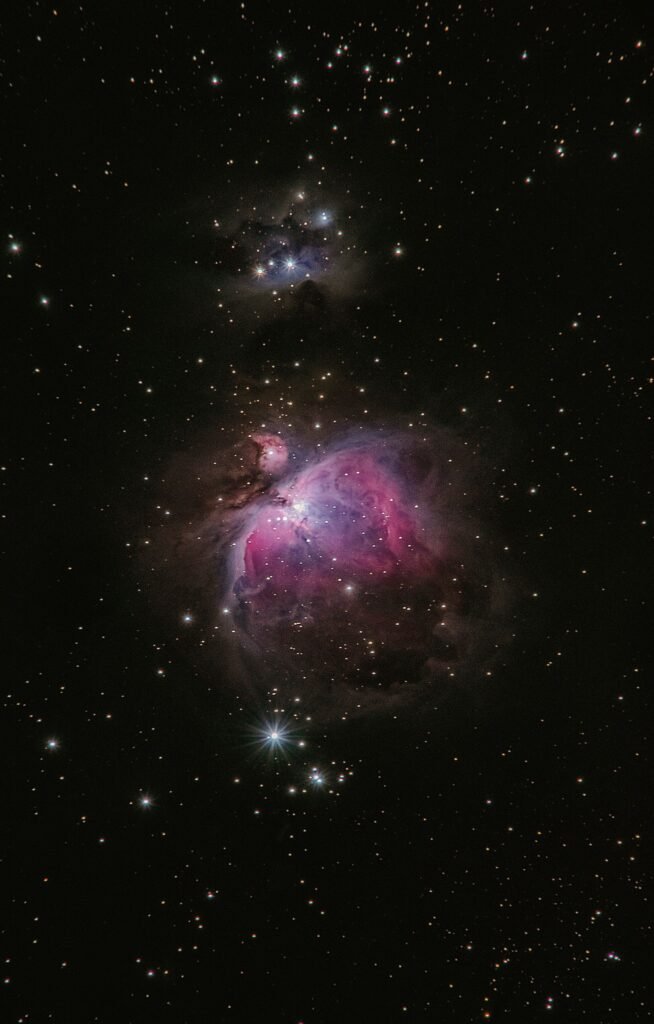
The JWST had captured a blue and orange-coloured view of a dying star. The dying star was interlocked with another star, which was brighter. The dying star was expelling gas and dust that The telescope captured. It also brought scientists to the discovery that dying stars are actually covered in dust.
