

THE RECENT EXOPLANET DISCOVERIES WHICH ARE TRULY FASCINATING
- SIMPO136

This planet defies Jupiter’s rule on the solar system.
It’s genuinely close to us. It’s located 20 light years away from the sun (Earth is around 8.3 light minutes away; but in planetary terms, it’s very close) .
For statistics, it is about 12 times heavier than Jupiter (about 2.27*10^29 kg), with it’s magnetic field being about 200 times that of Jupiter
Also this is the reason we experience the Northern Lights. It’s a brown dwarf (brown dwarf is a star-like celestial object which is not able to do the nuclear fusion of hydrogen; so the nuclei of atoms don’t merge. It is also formed in a manner which is similar to a star). It has never been gravitationally bound to a star, so it is without an orbit.
2. J1407b
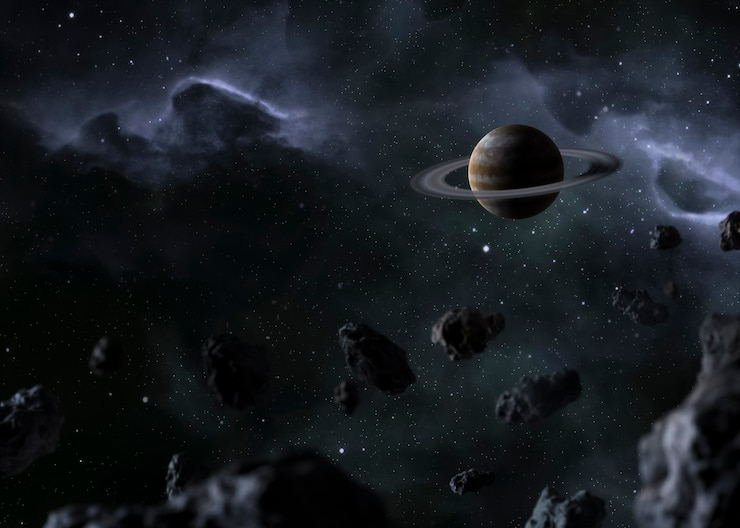
This exoplanet has a ring system; which is similar to that of Saturn, and is a gas giant
It’s about 430 light years away from Earth; nicknamed Mega-Saturn; due to it’s rings; which, comprising the entire ring system, is 200 times bigger than Saturn
It is much larger than Jupiter or Saturn. Plus, the ring system is so extensive that if you replace it’s rings with that of Saturn’s, they would be visible on Earth.
Astronomers speculate that it may be a planet; though they also believe that it may be a brown dwarf.
There are so many dust particles that after a few while, those dust particles alone may form it’s moon.
Plus, in astronomical terms, it is very young; about 16 million years old (Earth is 4.54 billion years old), and was discovered by scientists in 2012.
It’s hollow and has no surface just like gas giants. The rings are so big that if they were put around the Sun, they would end up taking more than half of the space available between the Earth and the Sun.
It may be that it has a moon, which may be present between a gap in it’s rings, and the moon alone, in this case, maybe the size of Mars
3. Kepler-438b

It is pretty similar to Earth. It has a similar size. Scientists speculate that it might host life. It is neither too hot nor too cold since it is at the perfect distance from it’s star. It is around 460 light years away from Earth. It takes 35 days for the planet to complete a singular revolution around it’s star. Due to it being at the perfect distance from it’s star to host life, liquid water could exist on this planet.
But it is not habitable due to the radiation it receives. Every 100 days, it’s star causes violent storms, making it uninhabitable. It is expected to be a more larger and cooler version of Venus.
4. K2-18 b
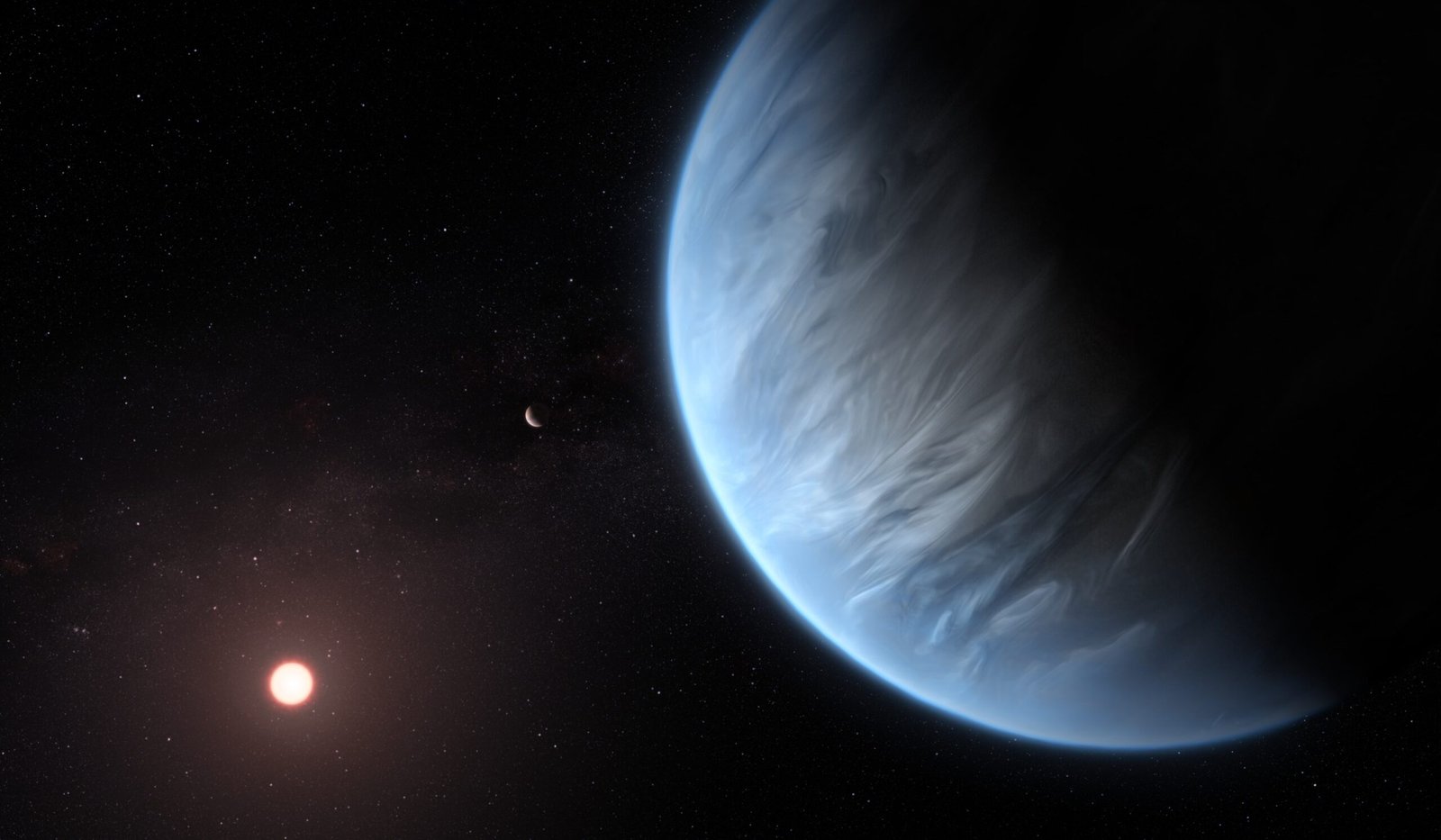
This is the only exoplanet known to host both water and temperatures that support life. It has a mass of about 8.92 Earths and takes 32.9 days to complete one orbit around it’s host star. It was discovered in 2015. It is also known as the EPIC 201912552 b.
It is far enough from it’s star to have liquid water.. It was also the only planet to survive a black hole. It is classified as a super Earth; but has a lot of hydrogen, due to which some scientists call it as “Mini Neptune” (as proposed again in 2019). It was discovered with the Kepler Space Telescope and is 124 light years away from Earth.
It is tidally locked to it’s star, meaning that it’s rate of revolution is constant.
It was initially known as a Mini Neptune but now is classified as a “Super Earth”
BUT, it does not have an atmosphere, and does also lack a solid surface which may enable it to support life
Also, gravity there is 11.57 m/s²
5. Trappist 1-D]
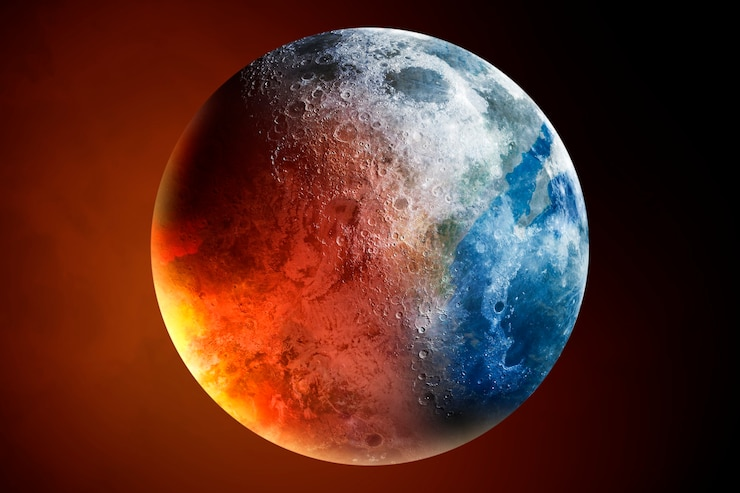
This planet lies in the star’s habitable zone and may also have a lot of oxygen. It orbits a star known as TRAPPIST-1. It’s radius is about 79% that OF Earth and mass is about 30%. It also does not have a magnetic field powerful enough to protect it against radiation. It resembles Mars and is situated in a position like Venus. It has an average temperature of -7°C
