
Power (P), in general, comes from 2 things: Voltage (V) and current (I). Traditional charges deliver low power, and fast chargers increase the voltage, or the current, or both, never exceeding a “safe limit”. This is achieved by “communication” between the phone and the charger: the phone constantly let’s the charger know it’s limitations, and the charger deliver power accordingly.
You must have noticed that phones charge considerably slower when reaching a full charge. This is to prevent stress on the lithium-ion battery. If too much heat is generated during charging, the battery can degrade faster, reducing its long-term effectiveness.
Note that not all chargers are compatible with all cables. Some cables aren’t designed to handle a certain amount of current passing through them.
To charge faster, modern chargers try to give power to several cells around a time, instead of focusing on one cell at a time. This reduces the heat generated in the cells, They monitor their own temperature and respond effectively to changes in the device
If you keep your phone charging overnight, it will take maximum time to reach 100%, because 100% is the most stressful time for a lithium-ion battery.
HOW DOES WIRELESS CHARGING WORK?
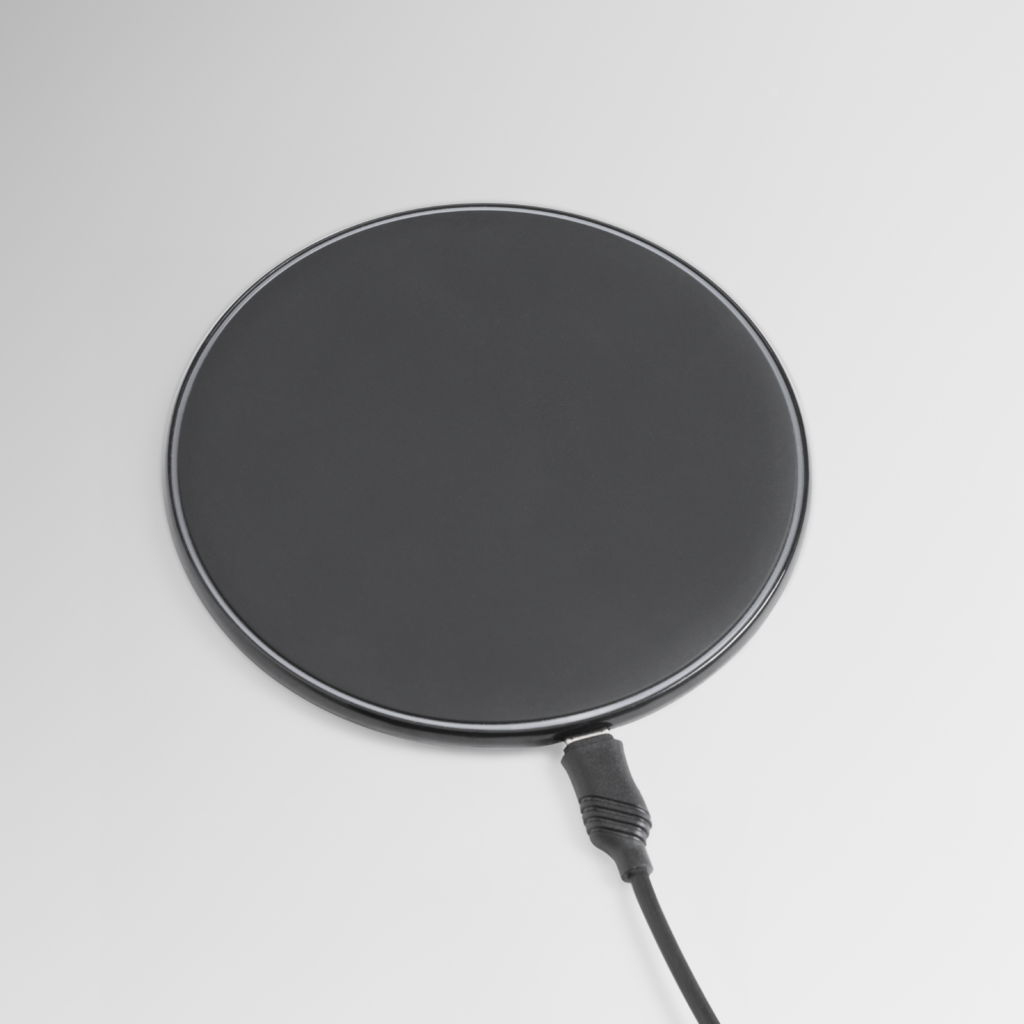
Phones have a wireless charging coil made to receive energy from the wireless charging pad, and the pad creates alternating current due to changing magnetic flux passing through the wireless charging coil, thereby charging the phone. This process of electromagnetic induction wastes a lot of energy. The efficiency of the charger depends inversely as distance from the receiver and the alignment of the coils. To solve the alignment problem, one can have magnets installed in the battery which are opposite in polarity to the phone’s magnet, since opposite poles attract.
Also, filling up the place with wireless charging pads won’t work: it heats up the phone like a pan.
Note that wireless charging accelerates battery degradation.
REVERSE WIRELESS CHARGING
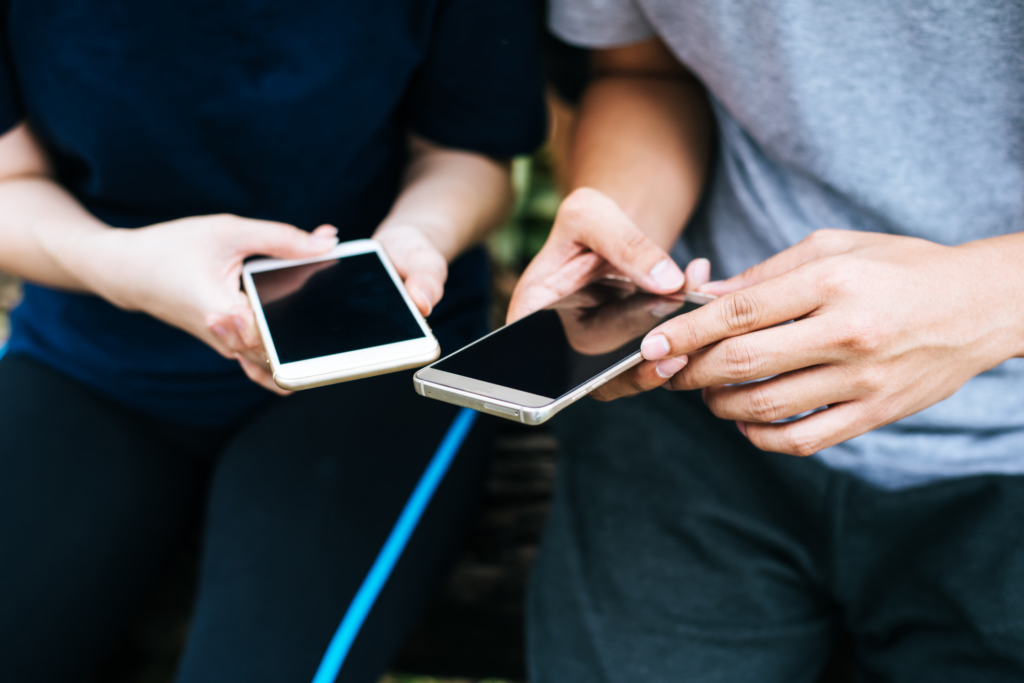
This is where your phone becomes the charger. You can line up your phone with any other device (such as your smartwatch), and the phone will “donate” its battery to the smartwatch. Obviously, the efficiency depends on the alignment: the phone and the device need to be properly aligned. This method often has a lot of issues: your phone may drain 80% of its battery but the other device may only charge upto 40%.
GaN CHARGING

GaN stands for Gallium Nitride. Traditional chargers have silicon, to convert the wall’s power output to a level needed by your phone. The heat generated in this process requires physical size to handle. GaN chargers solve this problem by requiring a smaller size for the same charging speed, while generating less heat
SOLAR CHARGING
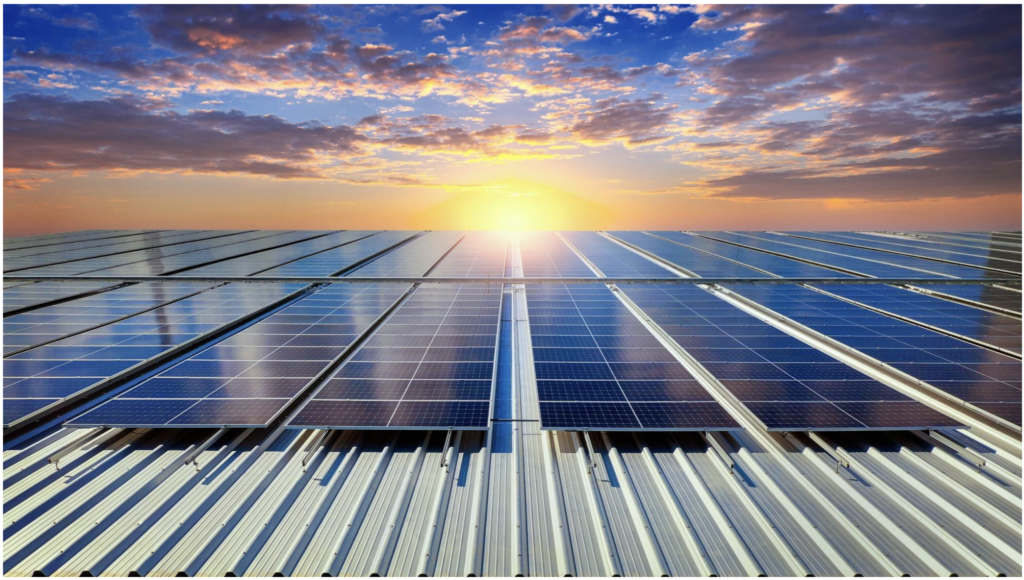
As the name suggests, this method relies on the sun, and uses solar panels, exactly like you’d expect. But it’s extremely slow. It’s the slowest charger on this list.
BATTERY HEALTH
Every time you use up 100% of your battery, and recharge it back to 100%, you lose the battery’s chemical potency. After around 500 charges, your phone’s battery capacity may be around 80% of what it was before. This statistic measures the maximum charge that can be stored by a battery.
